
Best window coverings for cold weather
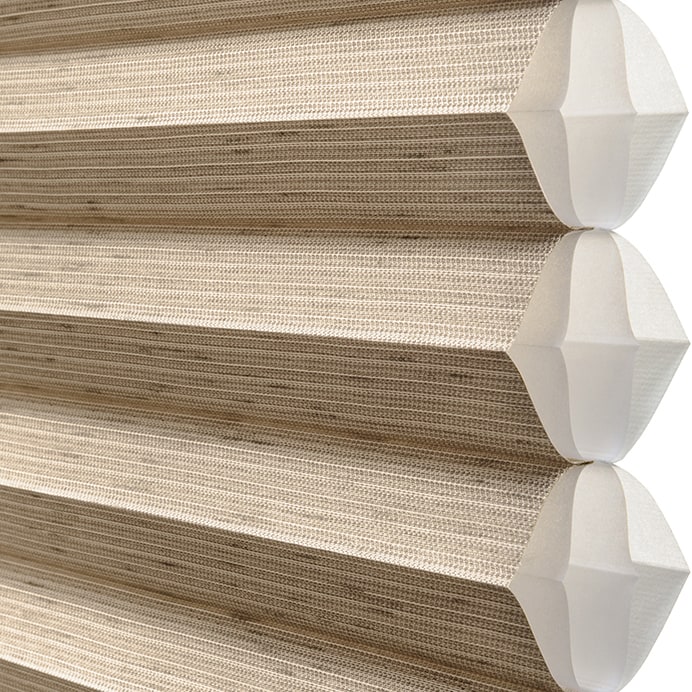
Given New England’s long, cold winters, Duette® Honeycomb Shades with Architella® construction offer the strongest insulation and the best value over time. They’re the most effective at keeping rooms warm and reducing heating costs.
The most effective Hunter Douglas shades for cold weather are the ones that maximize insulation, and all recent expert and manufacturer guidance points to cellular (honeycomb) shades—especially Duette® Honeycomb Shades—as the top performer for keeping heat inside during winter.
Best Hunter Douglas Options for Cold Weather
1. Duette® Honeycomb Shades (Top Choice for Insulation)
Duette is consistently identified as the strongest insulating option because of its honeycomb structure, which traps air and creates a thermal barrier at the window.
- Reduces heat loss in winter and heat gain in summer.
- Available in single, double, and Architella® (tri-cell) constructions for even higher insulation.
- Works well in cold climates like Massachusetts.
- Designed specifically to improve energy efficiency and comfort.
2. Sonnette® Cellular Roller Shades
A hybrid between a roller shade and a cellular shade, Sonnette offers:
- A softer, modern look with built?in insulating pockets.
- Strong thermal performance, though slightly below Duette.
- Good for rooms where you want a cleaner, minimalist aesthetic.
3. Roman Shades (Secondary Option)
While not as insulating as cellular shades, Hunter Douglas Roman shades still add a layer of fabric that helps reduce drafts.
- Better for style?driven rooms.
- Not the top performer for extreme cold.
4. Shutters and Drapery (Supplemental Insulation)
Hunter Douglas notes that shutters and drapery can help with insulation, but they don’t match the performance of cellular shades.
- Useful as an additional layer over Duette or Sonnette.
- Not ideal as the primary solution for cold climates.
Why Cellular Shades Are Best for Cold Weather
Cellular shades outperform other window treatments because their honeycomb design traps air, creating a buffer between the cold window surface and the warm room air.
- This reduces heat loss and drafts.
- Improves comfort and lowers energy bills.
- Hunter Douglas explicitly identifies cellular shades as the top insulating window treatment.